

Understanding What Water Damage Really Does
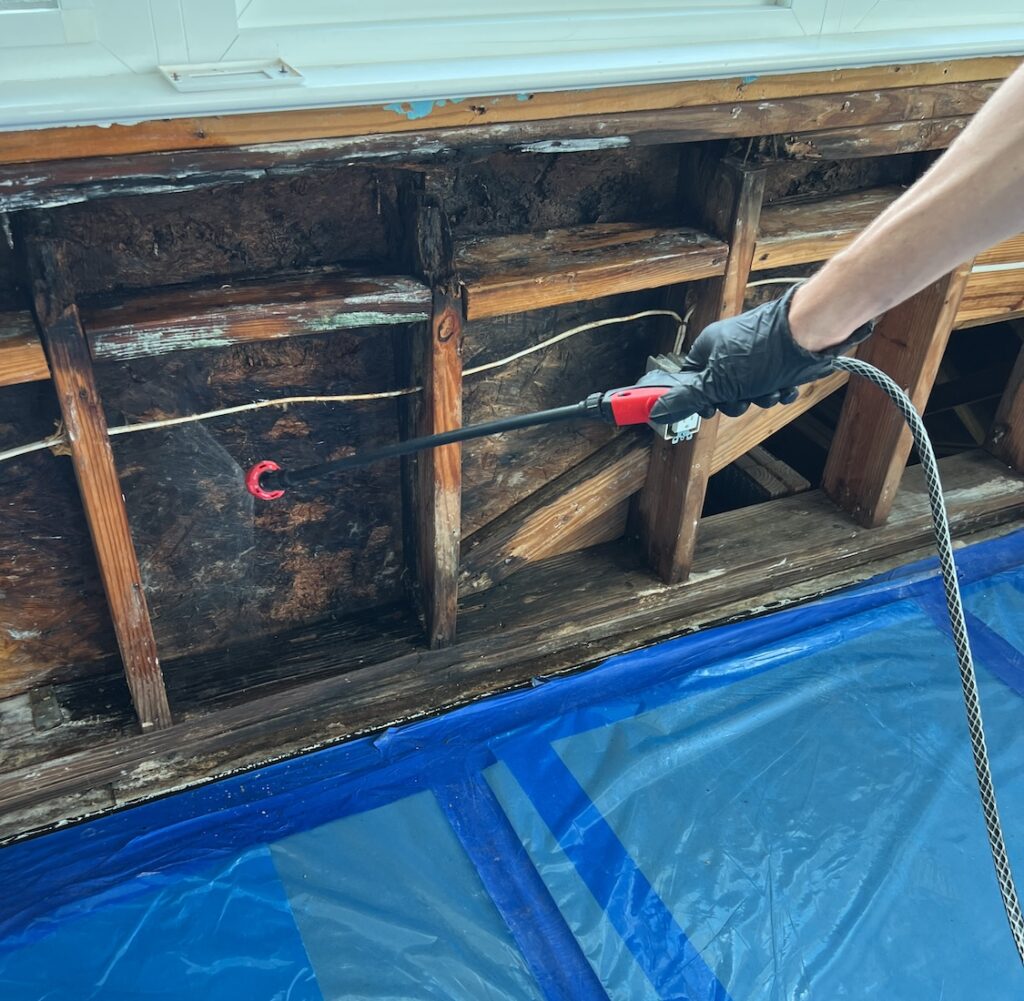
Most homeowners think of water damage as something visible. A puddle on the floor. A stain on the ceiling. But the most serious damage is usually what you cannot see. Water travels fast through porous materials, saturating drywall, soaking into subfloors, wicking up wall framing, and settling into insulation long before you notice a problem on the surface.
In Southwest Florida, the combination of humidity, aging infrastructure, and storm activity makes water intrusion a real and ongoing risk for homeowners across the region. Understanding what water damage actually does to a property is the first step toward protecting it.
What Happens When Water Damage Goes Untreated
Left unaddressed, water damage follows a predictable and costly progression. Within the first 24 hours, drywall begins to swell and saturate, flooring starts to warp, and personal belongings absorb moisture. Between 24 and 72 hours, mold spores can begin to colonize damp surfaces. Beyond that window, structural materials weaken, secondary damage spreads, and what could have been a manageable restoration becomes a major reconstruction project.
There are also health implications. Damp environments promote mold, bacteria, and allergen growth that directly affect indoor air quality. For families with children, elderly members, or anyone with respiratory sensitivities, untreated water damage is more than a structural problem.
Professional assessment and remediation stop that progression before it gets to the costly stages. Our IICRC-certified technicians use moisture detection equipment to locate water that has migrated beyond the obvious source, map the full extent of the damage, and develop a targeted restoration plan.
How We Assess and Address Water Damage
Moisture Mapping
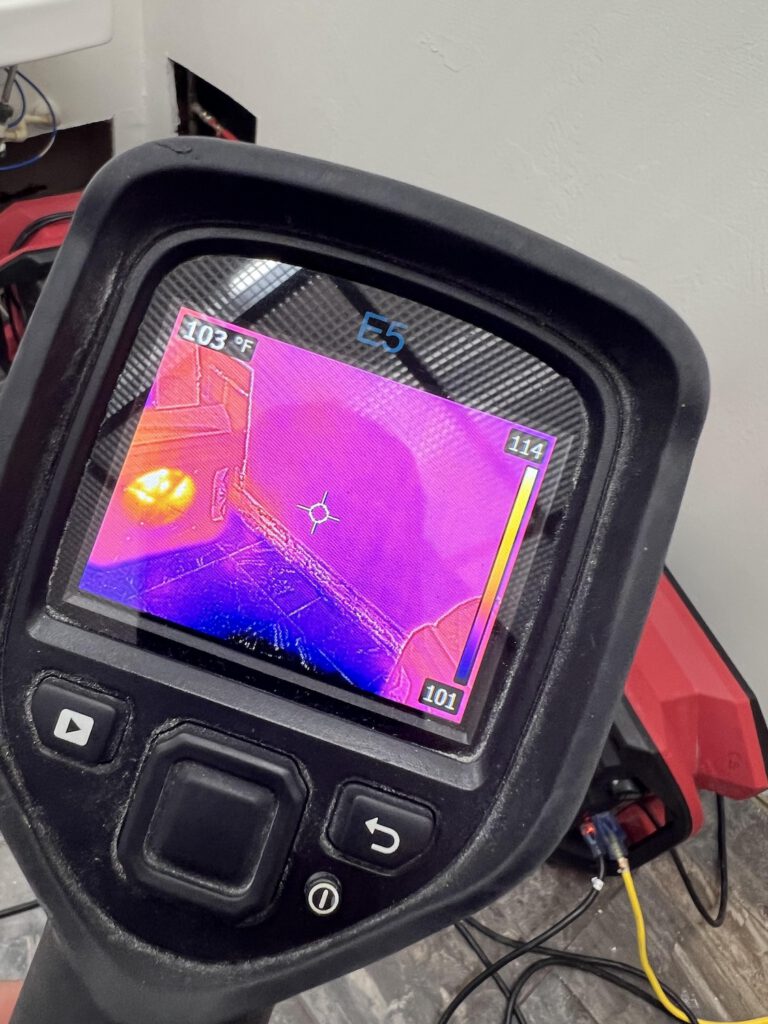
We use professional-grade moisture meters and thermal imaging tools to identify all areas of water intrusion, including hidden pockets inside walls and under flooring.
Damage Classification
Not all water damage is the same. We categorize the water source (clean, gray, or black water) and the extent of material saturation to determine the appropriate restoration approach.
Targeted Extraction
We remove water from all affected areas using equipment sized to the scope of the damage, from small residential rooms to large commercial spaces.
Controlled Drying
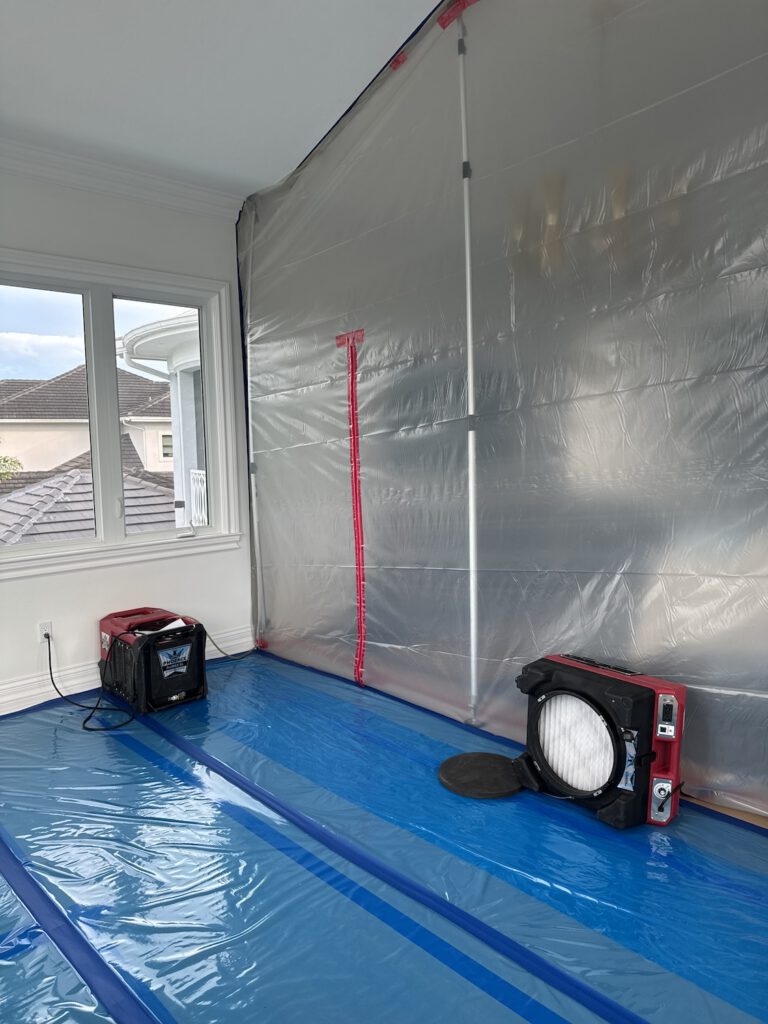
Air movers and dehumidifiers are strategically placed based on the moisture map to dry structural components from the inside out, not just the surface.
Documentation and Reporting
We provide detailed documentation of findings and work performed, which supports insurance claims and gives you a clear record of the restoration.


Not Sure How Bad the Damage Is?
Why Professional Water Damage Service Pays for Itself
Attempting to dry out water damage without professional equipment almost always leads to bigger problems down the line. Fans and dehumidifiers from the hardware store do not generate the airflow or extraction capacity needed to dry structural materials. What looks dry on the surface is often still saturated beneath it.
Professional restoration protects your home’s structural integrity, prevents the mold growth that drives up remediation costs, and preserves flooring, cabinetry, and materials that might otherwise need complete replacement. For most homeowners, catching and properly treating water damage early is significantly less expensive than the alternative.
Our team also works with your insurance company. We document everything thoroughly so your claim is supported with the detail adjusters need to process it efficiently.
FAQs About Water Damage
How do I know if water damage is hidden behind my walls?
What is the difference between water damage categories?
Category 1 involves clean water from a supply line or appliance. Category 2 involves gray water from overflow or minor flooding that may contain contaminants. Category 3 involves black water from sewage backups or significant flooding and requires full sanitation protocols. Our team determines the category on arrival and applies the appropriate response.
Can water-damaged flooring be saved or does it need to be replaced?
It depends on the material and how long the water has been present. Hardwood floors that are addressed quickly can often be dried and saved. Carpet and padding that have been saturated for more than 24 to 48 hours typically need replacement. We assess each situation individually and give you an honest recommendation.